Viking refrigeration
Viking refrigerator leaking water.
The puddle is downstream of the real problem. We chase it back and stop it at the source.
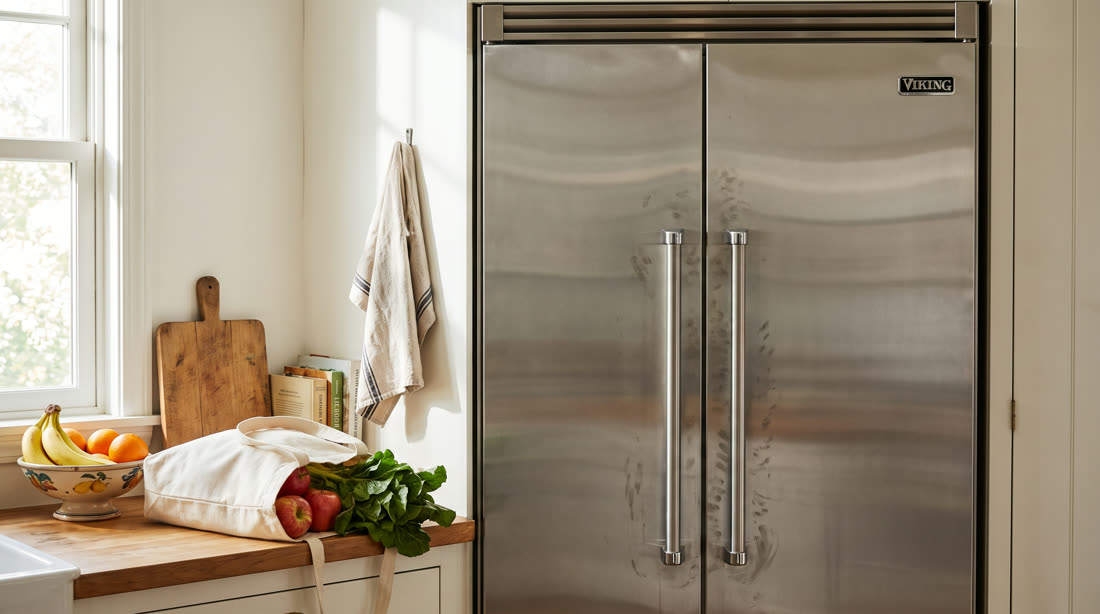
Viking refrigeration
The puddle is downstream of the real problem. We chase it back and stop it at the source.
The list of places refrigerator water can come from is short. A defrost drain that froze shut and started overflowing. An ice maker line gone brittle with age. An inlet valve that no longer closes all the way. A drain pan knocked out of position.
Built in units hide leaks well. Water rides the toe kick out of sight before it ever shows on the floor. We chase it back to the true source, repair it with factory parts, and inspect the cavity around the unit so the story ends there instead of in a flooring claim.
Number one by a wide margin. Meltwater pools, freezes solid, and the next cycle overflows onto your floor.
Old lines crack where they flex. New line, correct routing, pressure test. Done.
A valve that seeps never announces itself. It just drips until something warps.
Floor work and moves knock pans askew, and condensate lands beside the pan instead of inside it.
If you can reach the valve safely, yes, then call. If not, lay towels at the base, keep the doors shut, and tell us the leak is active. Those calls move ahead in line.
Yes. Rusted base pans, corroded hinges, shorted low voltage connectors. Early repairs are small repairs.
We stop the leak and put the cause in writing. Flooring contractors and adjusters ask for exactly that paperwork.
One call and it is off your list. Open daily, 7am to 7pm.
Same day windows go to whoever calls first. The $89 diagnostic folds into your repair, so finding out costs nothing extra.